
The short answer
Heating repair covers furnaces, heat pumps, wall heaters, ductless systems and electric heat. We identify the system type, trace the fault with proper testing, check safety items, and explain whether a repair or replacement fits your home before any work starts.
Homes in the South Bay are heated in more ways than most people expect. A single street might include a modern condensing furnace, a decades-old wall heater in a postwar ranch house, a heat pump installed during a remodel, a ductless head in a converted garage and an electric baseboard in an ADU. ClearSky Heating & Cooling repairs all of these heating systems for homeowners in San Jose and the nearby cities, and the first job is always the same: work out what kind of equipment you have, how it is supposed to behave and where it is falling short. Because valley winters are mild and damp rather than freezing, heat problems often show up as rooms that never quite feel warm or a system that runs constantly, rather than total failure. Here is how to spot trouble, what we inspect, how we think about repair versus replacement, what changes the cost and how a service call proceeds.
Heating systems we work on
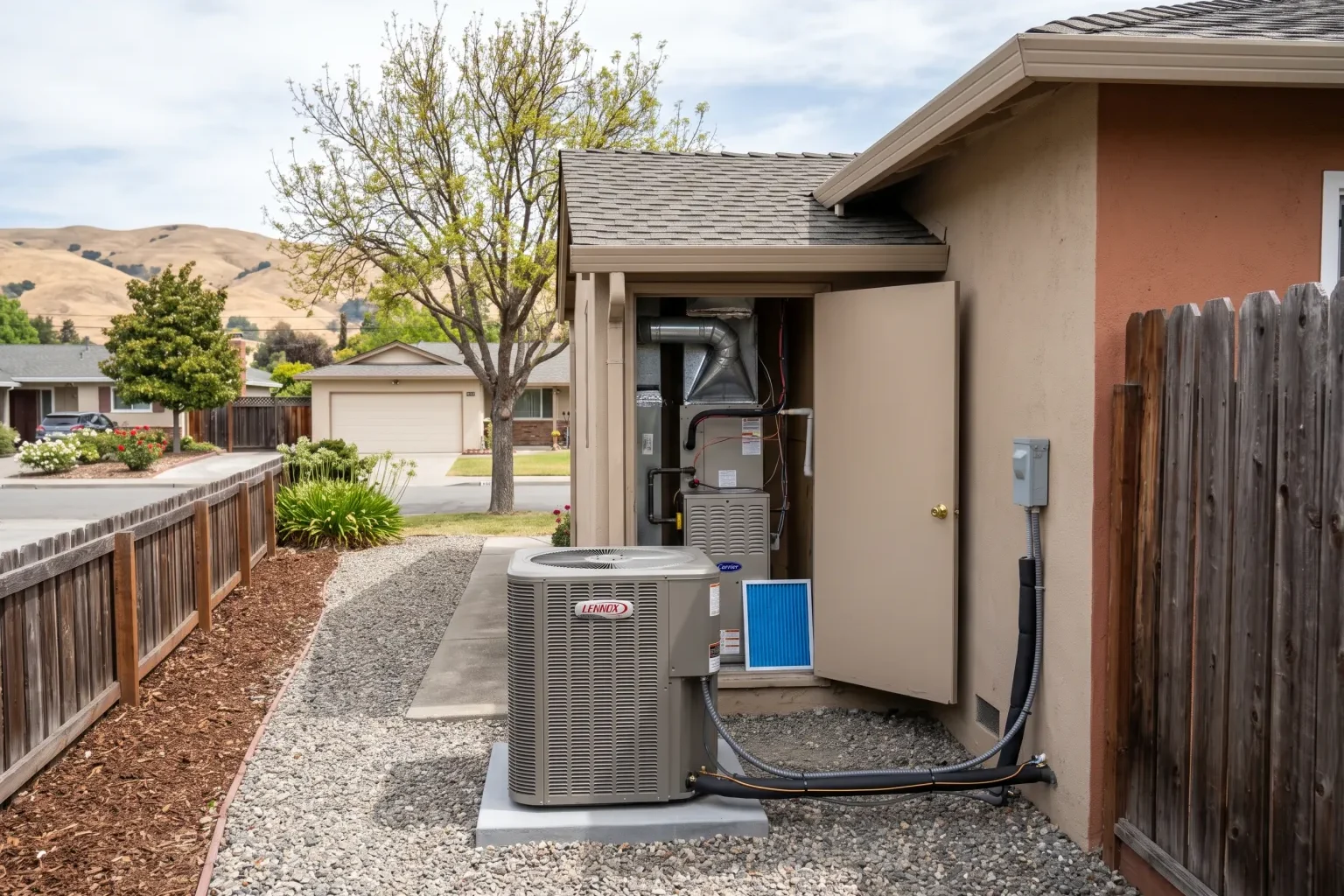
Knowing what you have helps you describe the problem when you call, and it helps us arrive prepared. These are the systems we repair most often around San Jose:
- Gas forced-air furnaces in garages, hall closets, attics and crawlspaces.
- Ducted heat pumps that provide both heating and cooling from one outdoor unit.
- Ductless mini-split heat pumps serving single rooms or several zones.
- Gas wall furnaces and floor furnaces common in older ranch-style homes.
- Electric baseboard and wall heaters in additions and accessory units.
- Thermostats, zone dampers and controls that tie these systems together.
Red flags that call for a technician
Because the heating load here is moderate, a weak system can hide for a long time. Watch for a thermostat that is always set higher than it used to be, rooms at the far end of the house staying cold while the main living area feels fine, a heat pump that blows cool air for long stretches outside of defrost, or a system that turns on and off every few minutes. Frost that coats the entire outdoor heat pump coil and does not clear is another clue.
Some signs need immediate attention. A gas smell, a carbon monoxide alarm, scorch marks on a wall heater grille, or a breaker that trips every time electric heat comes on are safety issues. Turn the equipment off and, for gas or carbon monoxide, leave the house and contact the utility or emergency services first.
How we track down the problem
Our technician begins at the thermostat, checking settings, batteries, wiring and whether the call for heat is reaching the equipment. From there, the test path depends on the system. On a gas appliance, we follow the ignition sequence, measure gas pressure, test the igniter or pilot assembly and flame sensor, and confirm that the safety switches and venting are working. On a heat pump, we check the reversing valve, defrost controls, refrigerant pressures, outdoor fan and auxiliary heat. On electric heat, we test heating elements, limit switches and circuit voltage.
Airflow is checked on every ducted system. A clogged filter, a closed damper, a disconnected duct in the attic or a weak blower can make a perfectly healthy heat source feel broken. We also look for carbon monoxide near gas equipment and inspect what we can see of heat exchangers and flues.
By the end, you know which part failed, what likely caused it and whether anything else is close to failing.
Deciding between a fix and a new system
Most heating calls end with a repair: a new igniter, a capacitor, a defrost board, a thermostat or a cleaned flame sensor. We recommend repair whenever the equipment is safe, reasonably efficient and likely to keep running.
Replacement enters the discussion when a heat exchanger is cracked, a heat pump compressor has failed on an older unit, a wall furnace has worn-out components that are no longer made, or repair visits keep stacking up. Bay Area Air District appliance rules do not require replacing working equipment; they apply only when a furnace or water heater fails or is replaced. Gas furnaces manufactured from 2029 must meet a zero-NOx standard, which in practice points toward heat pumps for replacements after that date. If replacement is on the table, we explain both gas and electric routes so you can make a calm, informed choice.
What changes the cost of heating repair
We diagnose first and quote the repair before starting it. Costs depend on the type of system and the specific part involved, since a thermostat replacement and a heat pump compressor component are very different jobs. Access matters too: a furnace in an open garage is quicker to service than one in a tight attic or crawlspace. Brand-specific parts, after-hours visits, refrigerant work on heat pumps and any related fixes, like sealing a disconnected duct that caused the original failure, also affect the total.
Booking a visit and what follows
When you reach out, we ask what kind of heating you have, what it is doing and where the equipment is located. That lets the technician bring the right tools and common parts. After arriving, they listen to your description, observe the system running and carry out testing.
You then get a straightforward explanation and a repair quote. With your approval, the repair is completed and the system is run through full heating cycles to confirm it holds temperature. Before leaving, the technician points out anything worth watching, such as a filter that needs changing more often or a duct connection that is starting to loosen.
Heating Repair by city
- Heating Repair in Santa Clara
- Heating Repair in Milpitas
- Heating Repair in Sunnyvale
- Heating Repair in Campbell
- Heating Repair in Fremont
- Heating Repair in Cupertino
- Heating Repair in Mountain View
- Heating Repair in Los Altos
- Heating Repair in Saratoga
- Heating Repair in Newark
- Heating Repair in Monte Sereno
- Heating Repair in Los Gatos